By Beatrix Fern Coldham · Publisher: Picnic Time Supper Interval Editions
A shared dinner can give a casino-resort evening its shape without deciding every hour that follows. Some companions may want live entertainment, others a quiet conversation or an early return to the room. Starting with the meal creates a point of connection. The rest of the evening can remain a set of choices rather than a single group obligation.
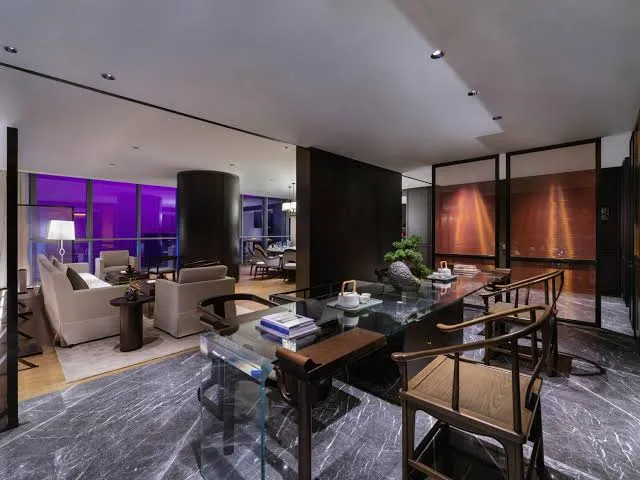
Give the meal enough room
Picnic Time Hotel’s introduction brings together gourmet dining, gaming and live entertainment. That combination suggests possibilities, but it does not confirm a particular night’s timetable. For an October 2026 visit, ask about the actual dining arrangements and performance schedule. Keep a confirmed booking separate from an idea you have simply discussed with companions.
Work backwards from the meal rather than squeezing it between other activities. Leave time to return from an outing, change and reach the dining area without hurrying. Ask about dietary needs when making the reservation. If the group prefers a leisurely meal, avoid attaching a tight deadline that turns the final course into a negotiation.
Agree on the shared part first
- Choose the meal time and confirm any booking needed.
- Check whether everyone wants the same plans afterwards.
- Set a meeting place that works if those plans separate.
The return from outside can affect dinner more than expected. A late walk, damp shoes or an uncertain journey back may make an ambitious evening feel crowded. Our countryside return guide considers that earlier transition. Keeping a small arrival interval protects the meal without requiring the whole afternoon to run by a stopwatch.
Leave room for different interests
Separate plans are easier when they are stated early and without apology. Watching a performance, sitting somewhere quiet and visiting the gaming floor are different uses of time. None needs to become the group’s default. The following comparison helps identify the practical question behind each choice; it does not imply that every option is available on every date.
| Choice | Check first | Leave room for |
|---|---|---|
| Live performance | Time and entry arrangements | Finding the venue |
| Quiet conversation | Suitable seating | A flexible finish |
| Gaming floor visit | Entry and table information | Questions before play |
Choose a meeting point that can be found without following someone into an activity they do not want. Agree whether you will meet at a set time or send a message when ready. A backup arrangement helps if a phone is unavailable. Keep the decision simple enough to remember after a long meal and a busy day.
- Name the meeting place clearly.
- Allow anyone to finish the evening early.
- Keep transport and room access independent of play.
- Separate optional entertainment spending from essential costs.
Make a first table visit optional
Before joining a table, ask staff where to stand, when questions are welcome and what the displayed limits mean. Watching first may help you understand the sequence, but it does not create an obligation to participate. Check entry requirements directly with the venue. A general hotel introduction cannot answer every practical question about a specific visit.
If online demonstrations interest you beforehand, the demo round article explains how to follow stake and return labels. It cannot replace the rules at a physical table. Keep the casino-resort evening bounded by the time and optional spending you chose before arriving, and leave when that plan says it is time.
Author’s opinion
I would make dinner the evening’s firm promise and keep later entertainment flexible. Conversation benefits when nobody is mentally racing towards the next activity. A companion’s early night or different interest need not diminish the shared meal. An enjoyable evening is one everyone can leave comfortably, with the sense that their choices were respected from the start.